AV Gallery










Explanatory text
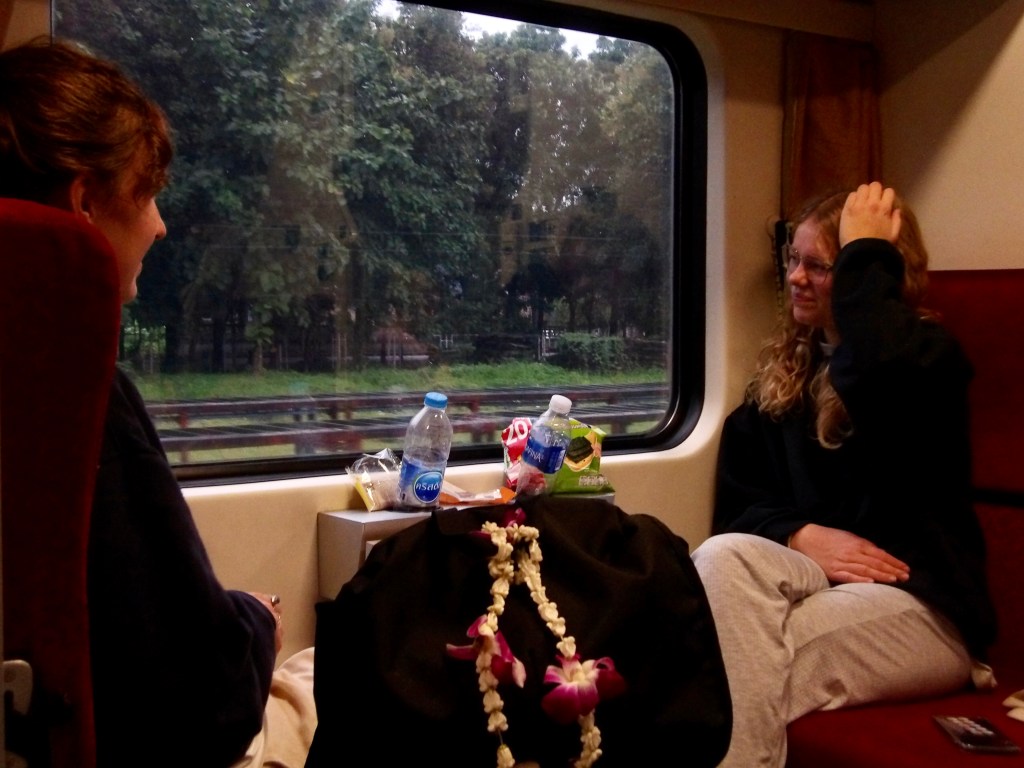
On the 27th of November, our endless journey from Maastricht to Huay E-Kang concluded, a village immersed in the fluorescent green mountains of northern Thailand, two hours west of Chang Mai. The journey involved a magical night train from Bangkok to Chang Mai and necessitated anti-nausea pills for the van ride up the village’s winding roads. Huay E-Kang, is the home of 600 people of the Karen population, an ethnic minority in Thailand, which is often discriminised and unrecognised by both the Thai government and the international community. Most of their ancestors migrated from Myanmar.
The day we arrived we all got to know our new family for the next month. Each of us got assigned to one household. I was lucky enough, my house was just next to the rice fields and had a magical view over the countryside. Our aim in the village was to answer our research question about access to health care and water management in the villlage. We conducted daily interviews and created a survey to collect the data we needed. Two interpreters of the village cooperated with us and facilitated the communication between us and the villagers.
The field study in Thailand was Eva’s first home stay experience. As a very social person, she had some difficulties at the beginning of the stay to find the right distance between herself and her new family. She explained to me that she tried to spend energy and time to build a relationship with her host parents, which at the end drained her phisically and mentally. Her host mother had been confined at home for the last three years because of a pendicite surgery. Unfortunately, this had caused her depression for the last two years. Having a new “daughter”, that brought new refreshing positive energy, really changed her life during that month. This was a great chance for her to finally hear some new stories and give all her love to someone. Unfortunately, Eva started feeling overwhelmed, sometimes feeling invaded by her host mother. Eva felt she was missing some moment by herself, since she was constantly surrounded by her host mother and host siblings. Therefore, Eva decided after the first week to take some distance to her family and to communicate more clearly when she needed alone time. Luckily, this turned out to be the best idea because the dynamics in her house improved. However, leaving the family felt very hard, especially for the vulnerable mother. In general, Eva enjoyed her time in the village, found her research very interesting, despite the difficulties faced at the beginning. She found the idea of the survey especially appealing for their topic. Even tough the presentation of the project stressed her a bit at the end, she felt satisfied with the work they had done.
It was interesting for me to see how Eva grew in the last two months. Interviewing her every week and staying in contact with her, really made me intrigued by her way of thinking but also how she started questioning her own personal views. Initially, before leaving she was mainly scared and stressed about her relation with her host family. She was mainly preoccupied with concerns about being accepted and liked by her host family. However, with the time passing, her questions acquired a deeper level, reflecting a deeper understanding of intercultural relations. The experience brought her to question her people-pleasing tendencies, recognizing the potential toxicity of some of these behaviors. In fact, she gave so much of herself in the first week that she realised her relation with her family was too close for such a short time she had been there. Therefore, she realised better that it was not only about being liked by someone, but intercultural relations had many different layers. In the video, we hear a few times Eva repeating that she was and she is anxious when she has to go back to see her family. However, she realised that humour and laughing makes everything more natural and creates more real connections. Eva considers a good global citizen someone that is not biased by what they experiences and that take things how they are. We can see that well in the video, Eva laughing, dancing, crying, fully there and fully emotive.
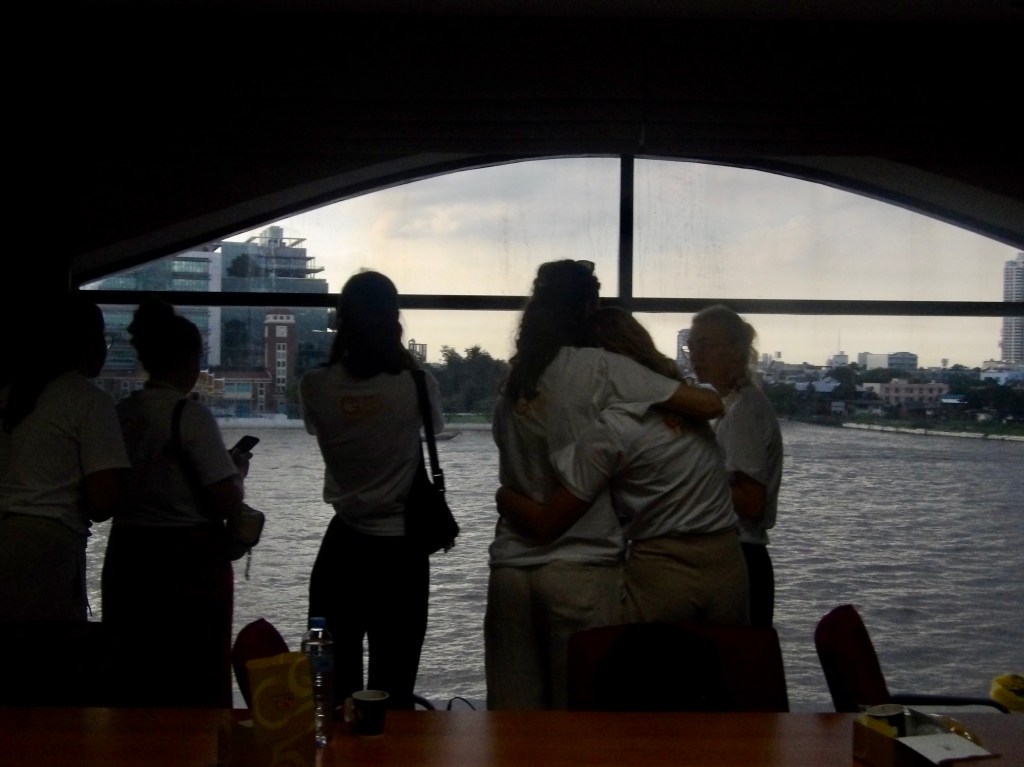
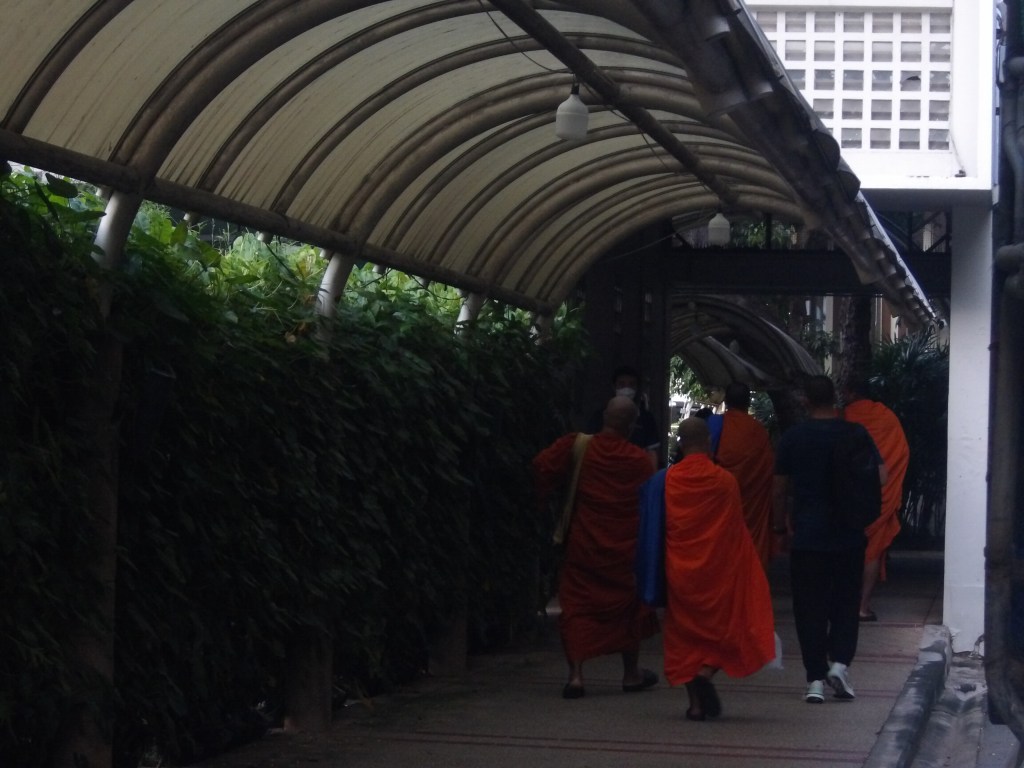
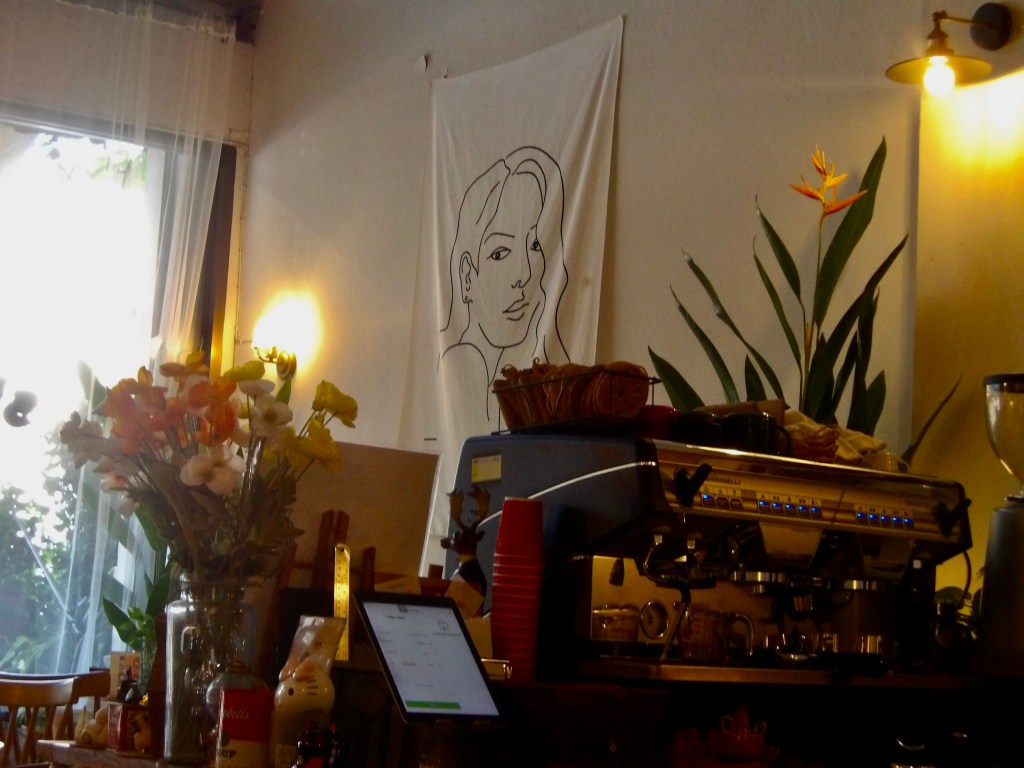
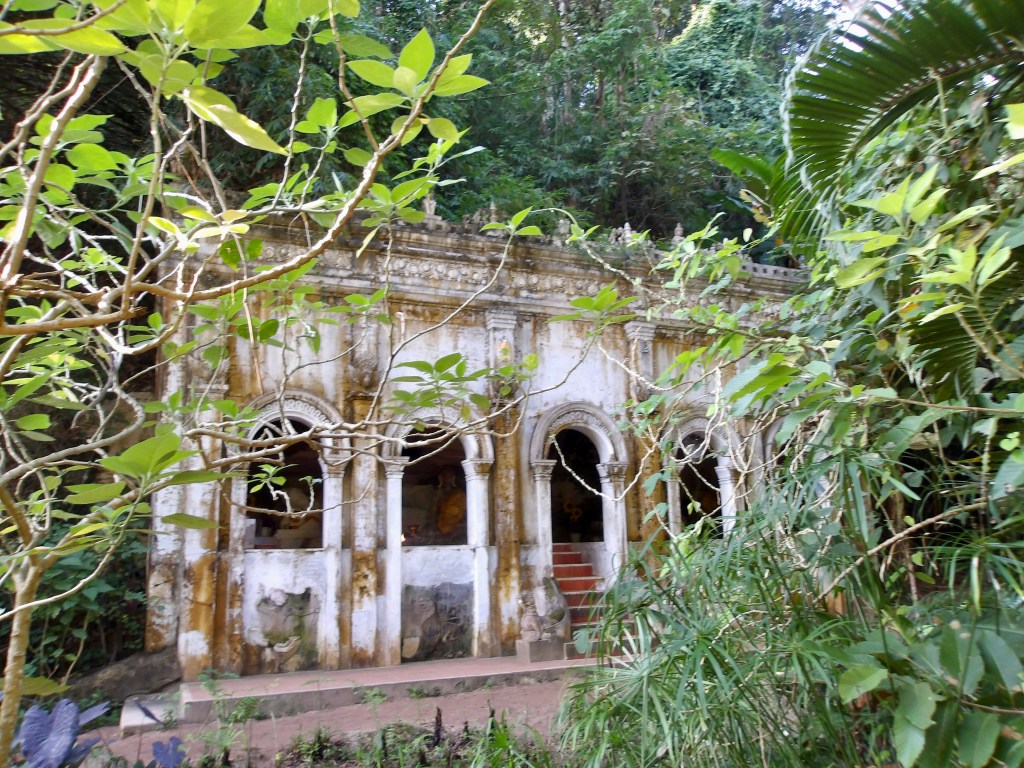
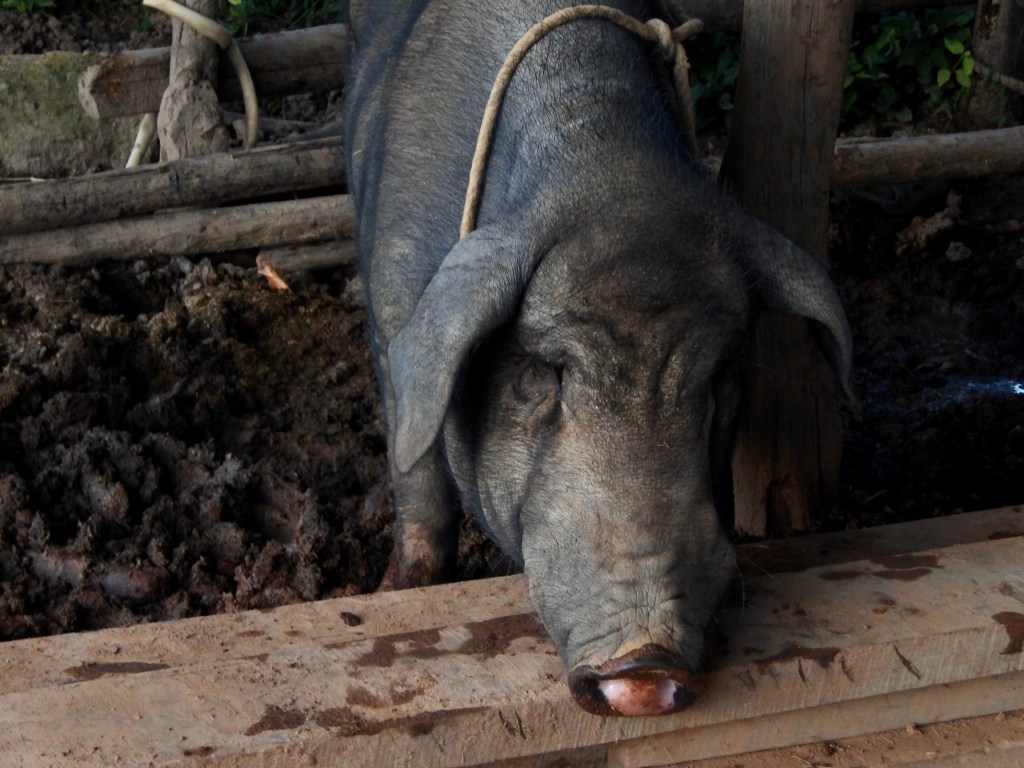
In order to collect the data for my final AV project, I must admit that I had sometimes difficulties knowing in any circumstances how to behave ethically. I was always walking around with my little Kodak camera. It was small and waterproof so literally had it always by my side. This gave me the possibility to take photos of moments very authentic and special.However, the efforts to respond ethically to unintended circumstances and consequences are necessary in a multi-mediated environment (Papademas, 2009). Therefore, I really tried hard to record and take photos of Thailand from a lens of an ethnographer, trying to as as ethically correct as possible. It was more difficult than expected. I tried to portrait what i was seeing from the most objective prospective possible. It was important for me to not portrait only the touristic side of Thailand for instance. At the same time, I also didn’t want to show only the poor side of Thailand. This is why, I found it easier to photograph nature and my friends that were with me on the trip.
Moreover, I found it difficult to take pictures of local people in the village. Informed consent is a basic ethical tenet of research on human populations (Papademas, 2009), I would almost always ask for consent to people to take photos of them. The problem is, they would always say yes. This made me feel uncomfortable since i felt they just wanted to be nice to me. I thus decided to take photos or videos only in moments when people would want to show us something specific, which they were proud of. I realised that taking photos of daily moment of foreign people, even if it looks authentic is unnecessary and untethical, even if asked for consent. It often jsut fullfills the stereotype people have in Europe.
Unfortunately, the outcome of the videos of my camera was below expectations, with poor sound and image quality. The video created show shaky footage stabilisation and even worse colour contrast. Additionally, choosing an appropriate soundtrack for my video was challenging. Drawing inspiration from class examples, I eventually selected a local composition performed by a villager, that I recorded during our final evening, featuring him playing a handmade guitar.
References:
Jack Pierce. (2017, April 7). THE POWER OF MUSIC IN FILM – How music affects film [Video]. YouTube. https://www.youtube.com/watch?v=iSkJFs7myn0
Papademas, D., and the International Visual Sociology Association. (2009) “IVSA Code of Research Ethics and Guidelines Links to an external site.,” Visual Studies 24(3): 250-257. DOI: 10.1080/14725860903309187
Strack Azar. (2016, January 13). Dancing in the Street // Silent music video [Video]. YouTube. https://www.youtube.com/watch?v=BHkhIjG0DKc
 Alice's Adventures